You saw the wall of amps at the music store, all glowing with their promise of earth-shattering low-end, and you nearly quit before you even started. Stop right there. I’m Shawn, and I’m here to tell you 90% of bass gear is distraction, designed to keep you from actually playing.
I’m a case study in how to not start your bass guitar journey. At least, not if you want to be smart about your money and time. I already knew how to play a bit of ukulele so I thought it would be smart to buy one of those cool ukulele basses. Plus, it was acoustic-electric so I wouldn’t even need to buy an amp! How smart!
It was not smart, and it saved neither money nor time in my bass journey. I think the ukulele bass probably deserves an article all of its own, but suffice it to say, it is not “easier” to play just because it’s small. In fact, I’d say it is harder. I struggled for a while on that instrument before I figured out what was holding me back was lack of an amp. So I went out and bought the smallest, cheapest amp I could. Mistake number two. Now I was trying to learn using a niche instrument on an terrible sounding amp.
I’m lucky I stuck with bass long enough to realize how much I loved playing. I decided if I was really going to do it, I needed a “real” bass with a decent amp. My friends…doing that changed everything. It was so much easier to play, and it sounded so much better, even with my limited skills.
Don’t make the same mistake as me.
Here are the five essentials of beginner bass gear that will get you from zero to “above average” without emptying your wallet. We are focused on the fastest, most practical path to grooving.
Full disclosure: I sometimes use affiliate links for the products I’m discussing. Using them helps fund this site while costing you nothing extra.
Five Bass Gear Essentials At a Glance
This is for the reader who just wants the list now. Trust me, I get it. Less reading, more playing. If you just want me to tell you what I’d buy as a brand new bass player, here is that list. If you want the full story on why these are my picks, keep scrolling!
| The Big Five | My Recommendation | Why This One |
| #1 Bass – 4-String Solid Body Bass | Sire Marcus Miller V3P | Sire punches way above its weight at a great price. |
| #2 Amp – A Combo Amp to Hear Yourself | Fender Rumble 40 | It’s got a headphone jack and is lightweight. |
| #3 Tuner – Any Decent Clip-On Tuner | D’Addario Eclipse Clip-On | You must be in tune and this will do it. |
| #4 Cable – A Basic 10-ft Cable | Ernie Ball Flex – 10′ Cable | Basic, but it will work. |
| #5 Strap – Wide and Comfortable | Levy’s MSSC4 Cotton Strap | A good brand, 3 inch wide for comfort. |
The Five Essentials – You Need These
Now let’s get into the nitty-gritty of must-have bass gear. This is where I explain why each item made the cut, what to look for, and what to ignore.
1: The Starter Bass (The Investment)
This is where you make your first real investment, but it doesn’t have to be a mortgage payment. Your first bass needs to be one thing above all else: easy to play.
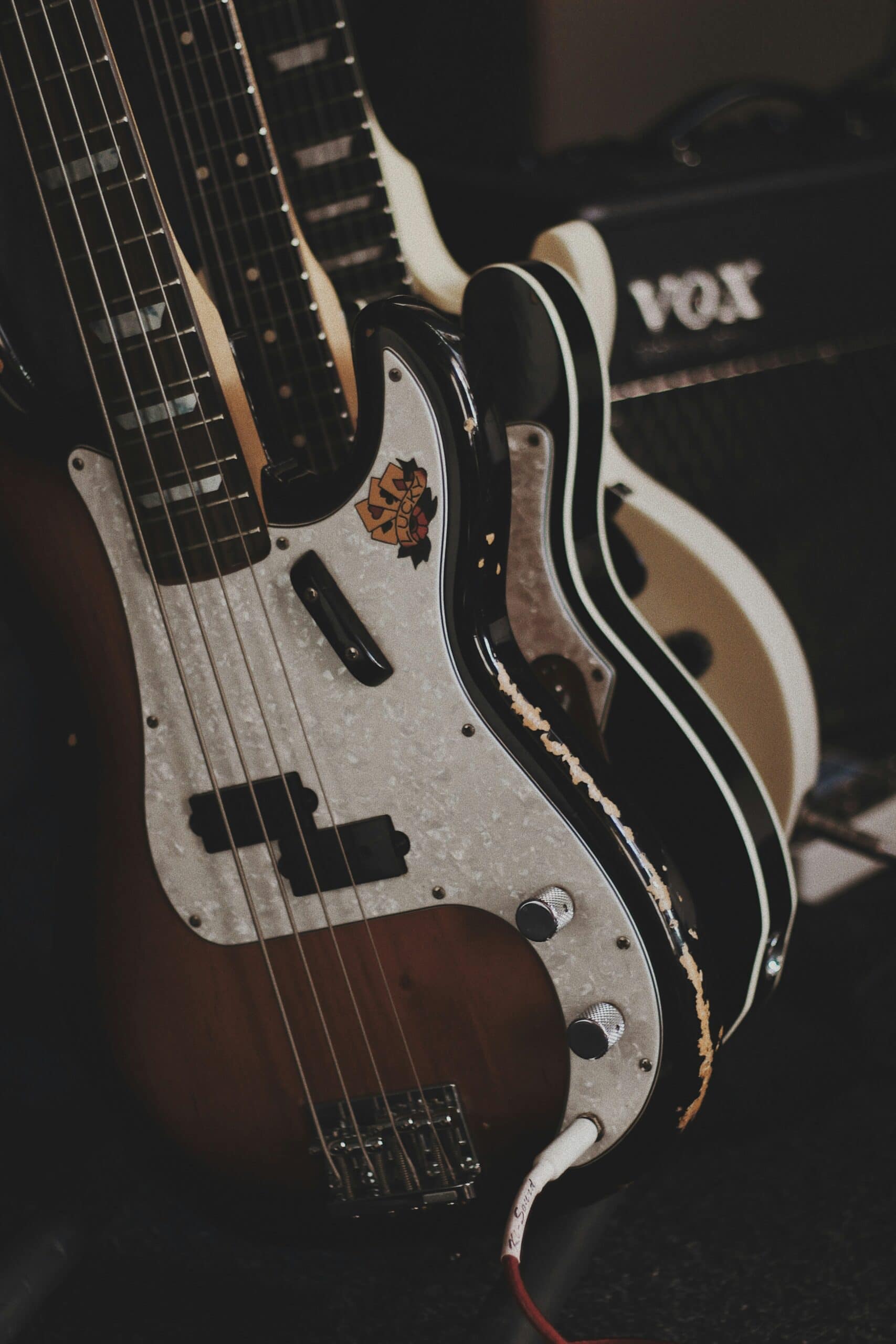
If the instrument fights you, you will lose interest. Avoid no-name basses on Amazon or Temu. A good starter bass will be a 4-string, solid body model. My suggestion: Forget 5-strings, acoustic, and the exotic woods for now. You need a simple, reliable instrument that can stay in tune. Thankfully, with ever improving manufacturing, you can get a perfectly acceptable $250 bass that’s made in China or Indonesia. In fact, many argue that once you get over $1000 you’ll start getting diminishing returns on your bass guitar investment.
My embarrassing personal story here: When bought my first bass (non-ukulele version, that is), I figured more was better so I bought one with active pickups. I played for six weeks, and one day the sound just died. I spent hours troubleshooting my amp, my cable, and my life choices, only to find out the 9-volt battery in the bass was dead. Rookie mistake. My suggestion? Stick to passive pickups and you won’t have this problem.
Many will argue active is the better way to go. It gives you more options for your tone. That’s true, but for the new player I think getting a specific tone is a bit down the road. That said, active pickups are fine. Just don’t forget about the battery. [Tip: Don’t know what active vs passive means? In short, active basses have an eq built in so you can adjust the treble, mids, and bass directly on the instrument. More than two knobs? Good chance it is active.]
Above Average Tip: The best bass is the one that makes you want to get out there and play. If deep down you want to be Paul McCartney and rock that hollow body Hofner bass, go for it. If that matte black, active, 5-string really brings out your inner Pantera…do it. Any bass that makes you want to play is a good bass.
Above Average Tip #2: Keep your bass easily accessible. Don’t throw it in a closet. Don’t keep it hidden away in its case. Have it out and ready to grab. Get rid of any barrier between you and playing that bass. Out of sight is out of mind and that’s no way to get good. Always keep your bass gear easily accessible.
Above Average Tip #3: Decide if you need a case. Most cheaper bass guitars will not come with a case. If you’re just playing at home, that’s not a big deal to start with. Eventually you will want a case, probably a lightweight gig bag.
My Top Starter Bass Picks:
I recommend you check out a model from one of these excellent beginner lines. They all offer fantastic quality for the price:
ABOVE AVERAGE PICK
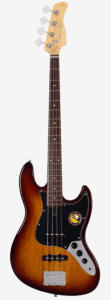
Sire Marcus Miller V3P
An excellent 4-string passive bass guitar that feels like it should cost at least twice as much. An entry level price that could last you forever.
Other Great Options:
- Ibanez Gio GSR200
- Yamaha TRBX304
- Squire Affinity Series Jazz
2: The Practice Amp (The Necessity)
You must be able to hear yourself. You can’t really practice on an electric bass unplugged. At least, not at the beginning. You’ll be so quiet you won’t be able to tell if you’re playing the right notes or the wrong ones, and your progress will stall. A small combo amp is the move here.
You do not need a giant 8×10 stack that makes your teeth rattle. You need a small combo amp, which means the speaker and the amp are in one box. For home practice, 15 to 25 Watts will be plenty. If you can stretch the budget, 40 Watts will last you longer.
But here are the two crucial features to have:
- A Headphone Jack – Keep the neighbors, family, and pets happy.
- An Aux/MP3 Input – A convenient way to play along with real music.
Above Average Tip: Practice with headphones to keep your significant other sane. My wife is incredibly supportive of my rock star dreams, but even she has a limit on how many times she can hear me play “Seven Nation Army.” More importantly, use the Aux In to practice with actual songs. This is how you develop timing and groove. It’s a game-changer.
My Top Practice Amp Picks:
I started with a Fender Rumble (at least after I got rid of the first piece of junk.) They are lightweight, sound great for the price, and have all the features you need. Just keep in mind, none of these amps are strong enough to compete with a live drummer or wailing guitar. You’re looking at least 100 watts there (and preferably 200 or more.)
ABOVE AVERAGE PICK

Fender Rumble 40
A constant top pick for playing at home. At 40 watts, it’ll get plenty of loud, but is still light enough to easily carry. Has everything you need for playing at home.
Other Great Options:
- Orange Crush Bass 25
- Ampeg RP-108
3: The Clip-On Tuner (The Unsung Hero)
You know what sounds worse than a beginner playing the wrong notes? A beginner playing the right notes, but out of tune. Don’t skip this crucial bit of bass gear.
I’m serious: A reliable tuner is key to sounding good with recordings and others. Your entire goal right now is to sound in tune and in time. That’s the secret to sounding “Above Average”.
I know, I know. “But Shawn, my phone has a free tuner app!” Don’t trust the free phone app. They’re just not consistently good enough. Plus, once you start playing with others, you’ll always have someone else noodling around while you’re trying to tune and it’ll be drama. A dedicated clip-on tuner is fast, accurate, and clips right onto the headstock of your bass.
Honestly, I prefer a pedal tuner because it doubles as a mute, is easier to read, and it can be more accurate. However, it’s more expensive and involves setting up a pedal chain (albeit a simple one.) Save that for later. For now, get the clip-on tuner.
Above Average Tip: The key to sounding Above Average is being in tune. Don’t overthink the brand or model. Feel free to unclip it and stick it in your pocket if you’re playing in front of people.
My Top Tuner Pick:
You’ll go through many of these and lose them (I’ve lost three in the last year alone). Just grab one of these:
ABOVE AVERAGE PICK
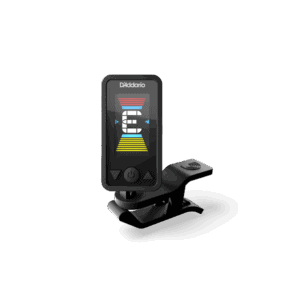
D’Addario Eclipse Clip-On
Nice bright screen so you can see it in the dark. Accurate, but cheap enough that when you lose it you won’t feel terrible.
4: The Spare Cable (The Thing That Connects the Things)
Picture this: You finally get the courage to go to an open mic night. You plug in, you’re ready to groove, and… silence. The cable is shot. Cables have a cruel, short lifespan, and they always fail at the worst possible time.
Any cable will do at the start, but here’s my pro-tip: get at least 10 feet. I suggest one 10-foot and one 15-foot cable. This allows you to stand up and move around a bit. Plus, someday you will get sucked into pedals and you’ll need another cable for that.
Above Average Tip: Buy a spare immediately. Treat the spare like an emergency kit. Never unroll it until your main cable dies. My own bass journey hit a major snag when my cable broke right before a jam session—I had to use a guitarist’s cable, and they never let me forget it.
Above Average Tip #2: Be wary of marketing hype. Alright. I’m not an electrical engineer. However, back in the day I worked A/V retail and we pushed the expensive, gold-plated, shielded cables hard. Did we do it because they were better? No, we did it because the commission was better. Now, those fancy cables probably are better, but will the average Joe notice that difference? I doubt it. Basic cables are fine.
ABOVE AVERAGE PICK
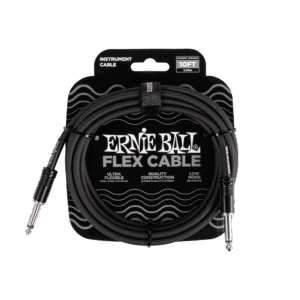
Ernie Ball Flex – 10′ Cable
This would do the job and do it well. Ten feet is plenty for playing at home. If you’re rocking the stage you may want 15. (If you’re Flea, you may need 100 feet.)
5: The Comfortable Strap (The Back Saver)
If you plan to play standing up (and you should—it helps with your stage presence, even if your stage is just your living room), you need a strap. Your 8 pound bass will feel heavy after 15 minutes, and a thin, flimsy strap will dig into your shoulder and ruin your practice session.
The wider the strap, the more comfortable. Wide straps distribute the weight better. Also, avoid “slippery” materials. You want something that grips your shoulder so the neck doesn’t take a nosedive every time you let go. Leather is nice, but expensive.
Above Average Tip: Go with a look that you like. Part of playing is feeling cool! If you want a little extra security (and I recommend it), the Ernie Ball Polylock system can be nice. It’s a simple, cheap way to keep the strap attached to your bass. I use strap locks on most of my basses, but that involves a bit of very simple modification to the bass. Save that for later.
ABOVE AVERAGE PICK

Levy’s Leathers MSSC4-BLK Bass Strap
Nothing fancy, but good quality and should last you a long time.
What about Bass Gear Starter Packs?
If you look around you’ll see Sweetwater, Guitar Center, and others offer bass gear starter packs. These usually include an entry level bass similar to those I’ve recommended, a small combo amp, a strap, maybe a few other bits. There’s nothing wrong with these and if the bass calls to you, go for it. That said, the price for the pack generally isn’t that much cheaper than doing the items individually and you’re more limited in what you can select. Decide what works for you.
If you feel more comfortable going this route, I suggest something like this nice little Squire set.
What the Above Average Beginner Should ABSOLUTELY Skip (For Now)
This bass gear is not useless, but it is a distraction for a beginner.
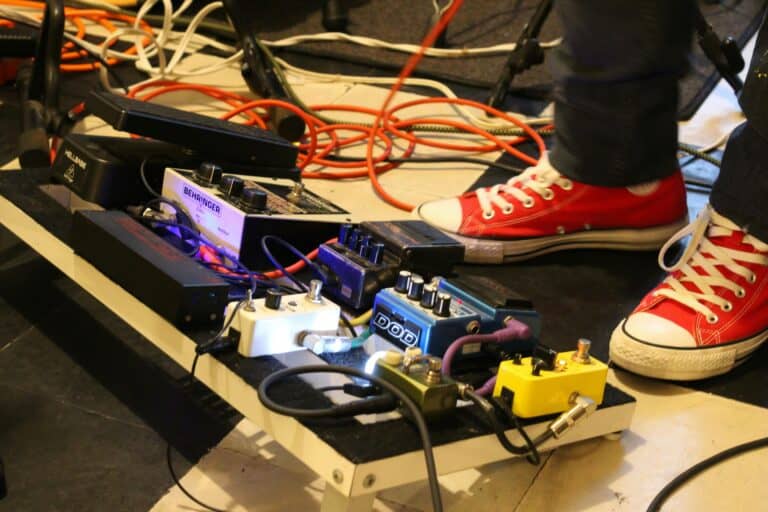
- Effect Pedals (Fuzz, Octave, Delay): Skip. You need to learn the basic groove first. You can always start chasing the perfect fuzz tone next year. When you decide you’re ready for pedals, check out my beginner’s guide to bass pedals.
- Custom/Hard Cases: Skip. Hopefully your bass will come with something, but if it doesn’t a basic padded gig bag is fine for now. You’re not touring yet.
- Expensive Proprietary Cables: Skip. Get a decent, reliable cable. Do not spend $80 on a cable. It won’t make you sound better. See my earlier story.
- More Basses: This is the toughest one. It’s also very much a “do what I say and not what I do” situation because I have more basses than talent. Buying a new bass does not make you better. It makes you poorer. Focus on getting the basics down with that first bass. Six months down the road you’ll have a much better idea of what you like and don’t like. Decide then if another bass makes sense.
Final Verdict
Look, you don’t need a music degree to play the bass. You don’t need a truck full of gear. You just need the five things we covered today: a solid bass, a practice amp with a headphone jack, a reliable tuner, a spare cable, and a comfortable strap. That’s it. That’s the whole secret.
The best time to start learning the bass was ten years ago. The next best time is right now. Stop overthinking it, stop browsing forums, and start playing. All the best lessons and advice in the world won’t help if you don’t have the gear in your hands.